Vet Sharine Alice VMD
Health Guide

A pet health guide for Costa Rica.

Living in Guanacaste with animals is a privilege — and it also brings risks that simply don't exist elsewhere: toads in the garden, ticks all year, unrelenting heat, and screwworm. This guide sets out, in plain language, what to recognise early, what to do in the first few minutes, and when to call. It is written to be read calmly before an emergency, not during one.

Medical disclaimer

This guide offers general educational information. It is not a diagnosis and is not a substitute for an in-person examination, and reading it does not create a veterinarian-client-patient relationship. Every animal is different, and many conditions look alike from the outside. In an emergency, seek veterinary help immediately — do not wait for an online reply.

Message Dr. Sharine

Costa Rica emergencies

The situations that most often turn serious here on the Guanacaste coast — and what to do in the first few minutes.

01

Cane toad poisoning

Rhinella marina

Emergency — go now
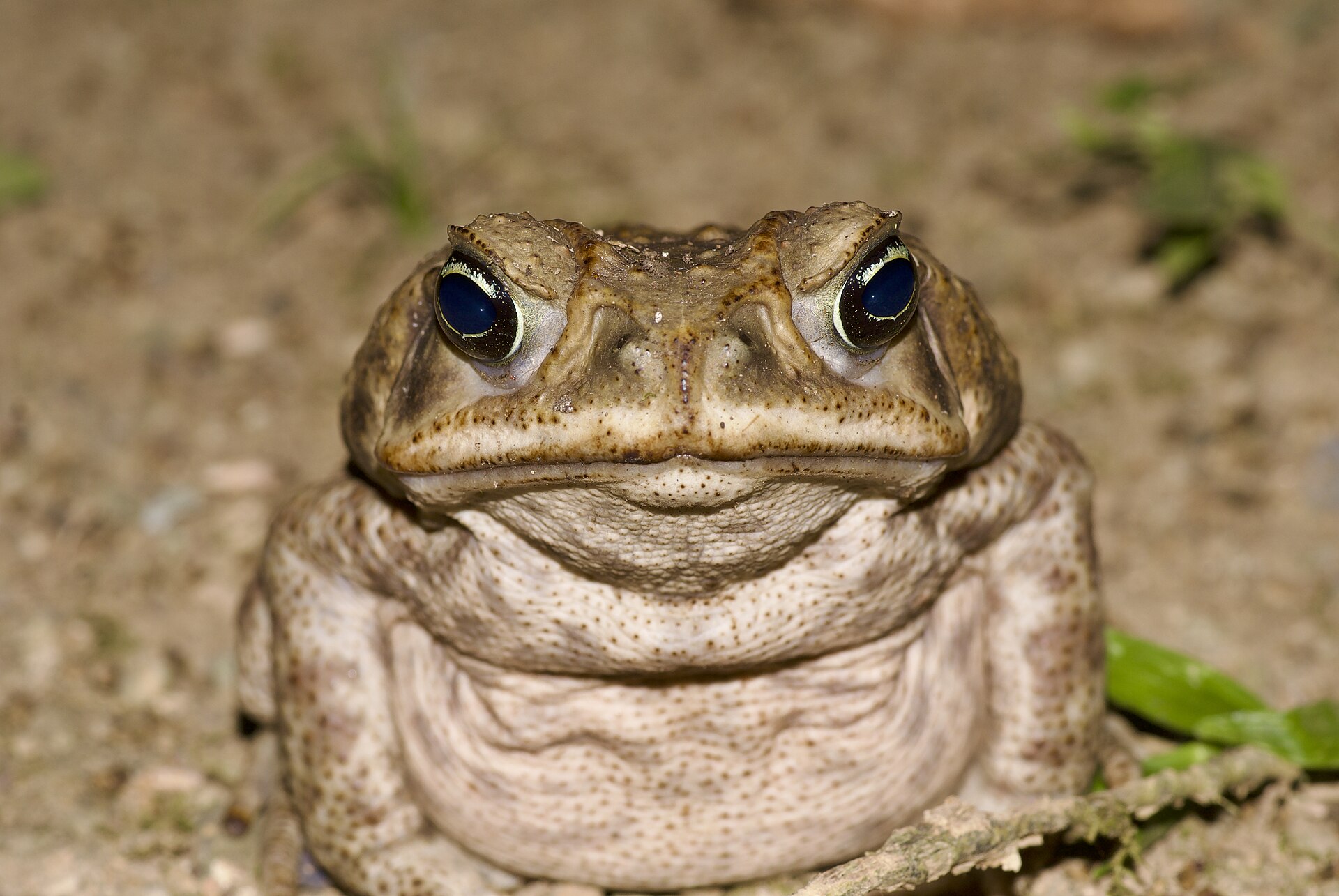
Close-up of a cane toad (Rhinella marina) showing the raised parotoid glands behind the eyes
Representative image — always confirm with Dr. Sharine.C. Brück / Wikimedia Commons — CC BY-SA 4.0
Message Dr. Sharine
What it is

The cane toad is native and very common in gardens after dark and throughout the rainy season. Its parotoid glands, behind the eyes, release a milky toxin that affects the heart and nervous system. A dog does not need to eat the toad — simply mouthing or licking one is enough, and an untreated dog can die within about fifteen minutes.

How to identify

A large, heavy, warty toad with two prominent oval glands behind the eyes. Often found near outdoor lights, water bowls, and pet food left out at night.

Signs to watch for
  • Profuse drooling or white frothing at the mouth
  • Bright red, brick-coloured gums
  • Vomiting and pawing at the mouth
  • Disorientation, stumbling, wide eyes
  • Muscle tremors, seizures, collapse
What to do
  1. 1.Rinse the mouth with running water for 10–15 minutes, aiming sideways and downward so water flows OUT of the mouth — never up towards the throat.
  2. 2.Wipe the gums and tongue with a wet cloth to remove residual toxin.
  3. 3.Keep the head pointing down so nothing is swallowed.
  4. 4.Do NOT induce vomiting.
  5. 5.Go to the vet immediately, even if your dog looks better — the heart effects can continue.
  6. 6.Message Dr. Sharine while you are rinsing so she can prepare.
02

New World screwworm

Cochliomyia hominivorax

Urgent — same day
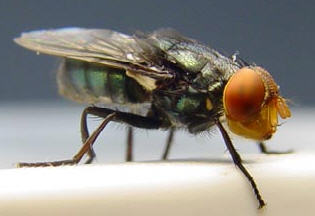
Adult New World screwworm fly (Cochliomyia hominivorax) with metallic blue-green body and orange eyes
Representative image — always confirm with Dr. Sharine.Mexican-American Commission for the Eradication of the Screwworm / Wikimedia Commons — public domain
Message Dr. Sharine
What it is

Screwworm re-emerged in Costa Rica in 2023 and is a reportable disease. Unlike ordinary maggots, these larvae feed on LIVING tissue, burrowing deeper into a wound hour by hour. Any open wound, however small, can be affected.

How to identify

The adult is a metallic blue-green fly with orange eyes. In the wound you will see cream-coloured maggots burrowing head-first, packed tightly together, with the wound enlarging rather than healing and giving off a distinctive foul smell.

Signs to watch for
  • A wound that grows larger instead of healing
  • Visible maggots or pale egg masses at the wound edge
  • Strong, foul odour
  • Constant licking or biting at one spot
  • Lethargy, fever, loss of appetite
  • Check tick scabs, ear tips, surgical sites, and newborn navels
What to do
  1. 1.Do NOT dig or pull the maggots out — broken larvae worsen the infection.
  2. 2.Cover the wound loosely with a clean cloth.
  3. 3.Keep your animal calm and confined; don't let them lick the area.
  4. 4.Contact Dr. Sharine urgently — treatment is same-day.
  5. 5.Be aware the case may be reported to SENASA, as required by law.
03

Ticks & ehrlichiosis

Rhipicephalus sanguineus

Book soon
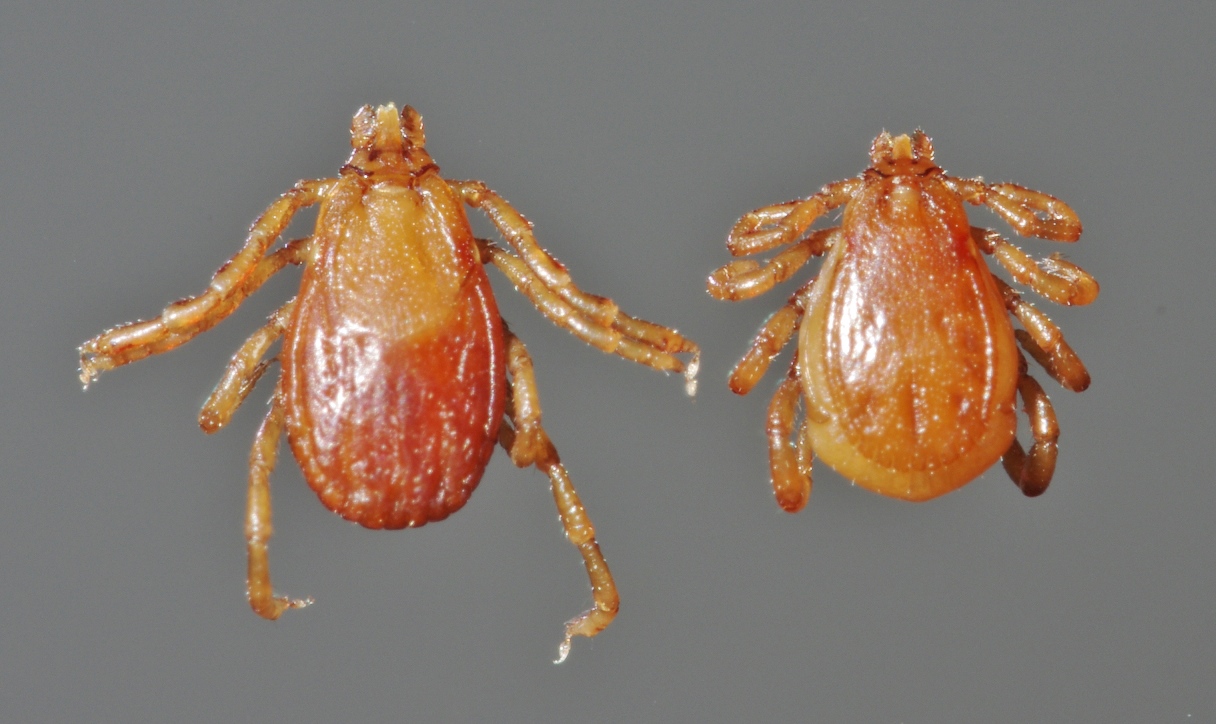
Female and male brown dog ticks (Rhipicephalus sanguineus) side by side for scale
Representative image — always confirm with Dr. Sharine.Daktaridudu / Wikimedia Commons — CC BY-SA 4.0
Message Dr. Sharine
What it is

The brown dog tick is extremely common in Costa Rica and transmits Ehrlichia canis, a blood-borne infection that can quietly damage the immune system and platelets for weeks before symptoms appear.

How to identify

A flat, reddish-brown, eight-legged tick, becoming grey and bean-shaped once engorged. Look in the ears, between the toes, in the groin, and around the neck. This species can also infest the house itself — cracks, bedding, and skirting boards.

Signs to watch for
  • Lethargy and low energy weeks after a tick
  • Fever, off food, weight loss
  • Pale gums
  • Nosebleeds or unexplained bruising
  • Stiffness or swollen joints
What to do
  1. 1.Remove ticks with fine tweezers, gripping at the skin and pulling straight out — no twisting, burning, or oils.
  2. 2.Clean the site and watch it for a few days.
  3. 3.Use a vet-recommended preventive year-round, and treat the environment if you find several ticks.
  4. 4.If your dog seems unwell, ask Dr. Sharine for a blood test early — ehrlichiosis is very treatable when caught in time.
04

Heartworm disease

Dirofilaria immitis

Book soon
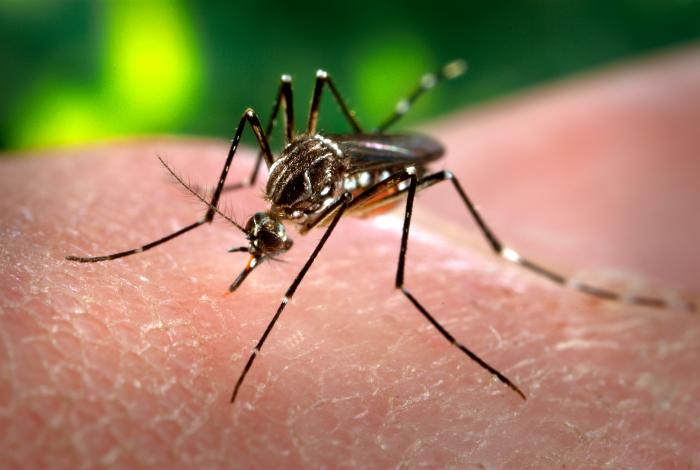
Close-up of an Aedes aegypti mosquito, the kind of mosquito that transmits heartworm larvae
The mosquito is the vector — heartworm spreads by mosquito bite, never dog to dog.Representative image — always confirm with Dr. Sharine.James Gathany, CDC / Wikimedia Commons — public domain
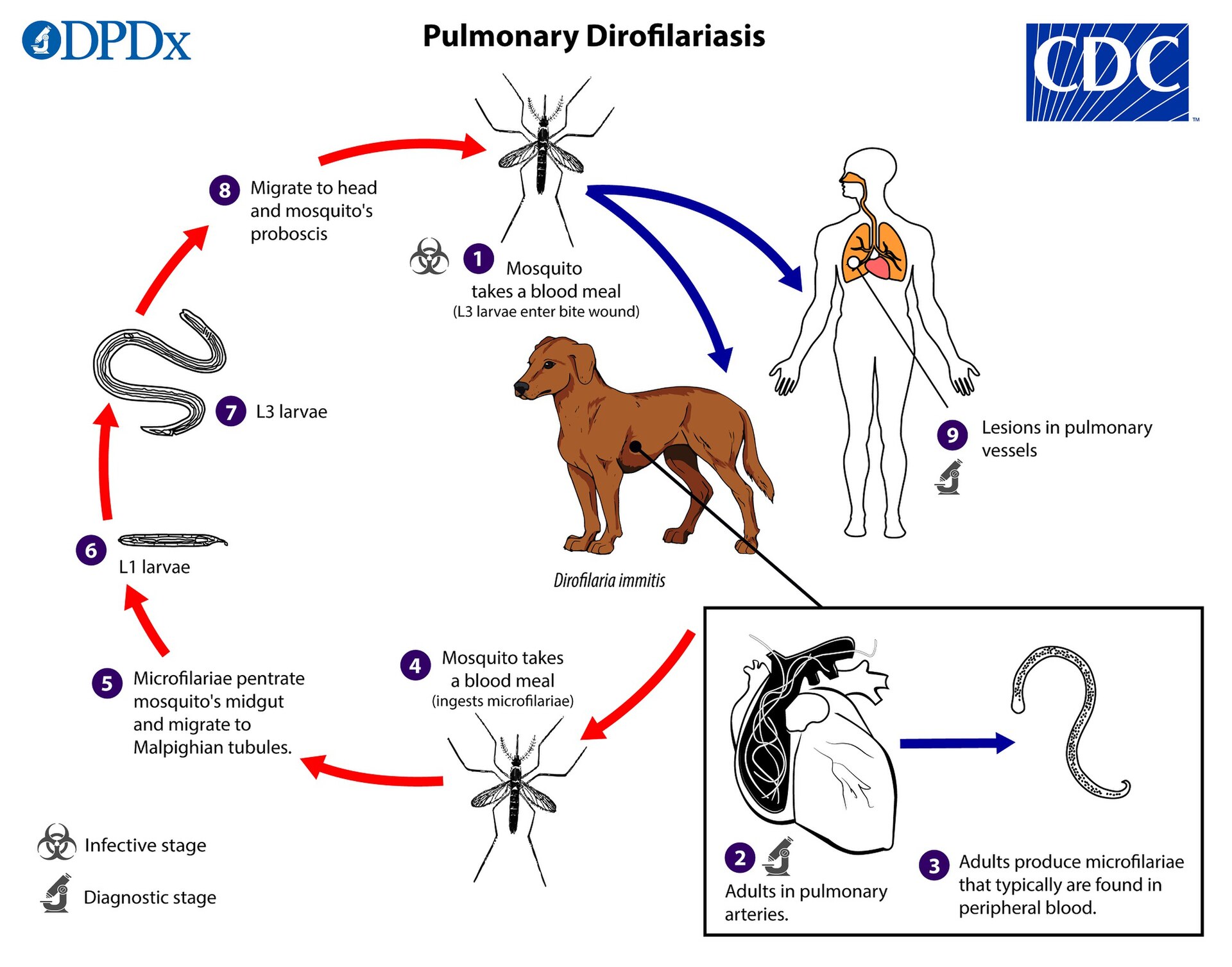
CDC diagram of the heartworm (Dirofilaria immitis) life cycle from mosquito to dog
CDC diagram of the heartworm (Dirofilaria immitis) life cycle from mosquito to dogCDC DPDx / Wikimedia Commons — public domain
Message Dr. Sharine
What it is

Heartworm is spread by mosquitoes, which means the risk on the coast is year-round. Adult worms live in the heart and lungs. Prevention is simple, safe, and inexpensive; treatment of an established infection is long, costly, and risky. Prevention is by far the better path.

How to identify

There is nothing to see externally — heartworm is found by a blood test. Any dog living near the coast without continuous prevention should be considered at risk.

Signs to watch for
  • Often no signs at all in the early stages
  • A soft, persistent cough
  • Tiring easily on walks
  • Weight loss and reduced appetite
  • Laboured breathing, swollen belly in advanced cases
What to do
  1. 1.Keep your dog on a vet-recommended preventive all year.
  2. 2.Test before starting or restarting prevention — giving it to an infected dog can be dangerous.
  3. 3.Book an exam if your dog has developed a cough or tires quickly.
  4. 4.Ask Dr. Sharine to fold a heartworm test into the next wellness visit.
05

Snakebite (terciopelo)

Bothrops asper

Emergency — go now
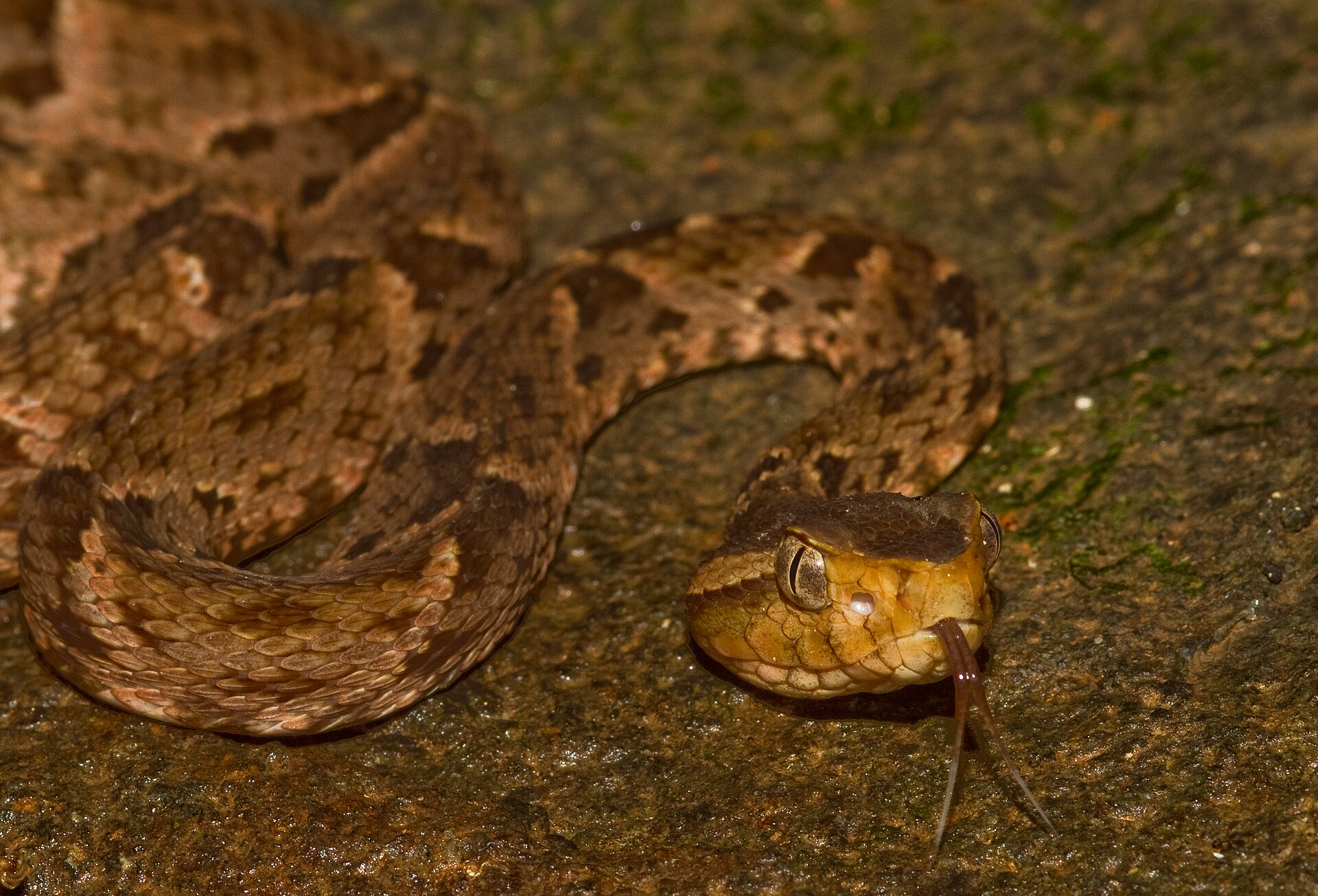
Head of a fer-de-lance / terciopelo (Bothrops asper), a highly venomous pit viper found in Costa Rica
Venomous — do not approach.Representative image — always confirm with Dr. Sharine.Brian Gratwicke / Wikimedia Commons — CC BY 2.0
Message Dr. Sharine
What it is

The fer-de-lance, known locally as terciopelo, causes the most serious snakebites in Guanacaste. Dogs are usually bitten on the face or front legs while investigating. The venom destroys tissue and prevents blood from clotting; time to treatment is everything.

How to identify

You may not see the snake. Suspect a bite if there is rapid, dramatic swelling — often with two puncture marks — that worsens by the minute, usually on the muzzle, head, or a leg.

Signs to watch for
  • Rapid swelling around puncture marks
  • Severe pain, crying, reluctance to be touched
  • Bleeding that will not clot; blood-tinged saliva
  • Weakness, trembling, collapse
  • Pale gums and fast breathing
What to do
  1. 1.Keep your animal as calm and still as possible — movement spreads venom.
  2. 2.Carry them to the car; do not let them walk.
  3. 3.Do NOT cut, suck, apply a tourniquet, use ice, or give any human medication.
  4. 4.Go to a veterinary facility immediately and call ahead so antivenom can be readied.
  5. 5.Message Dr. Sharine at once for guidance on the fastest route to treatment.
06

Heatstroke

Emergency — go now
Small dog panting heavily with its tongue out in warm weather
Representative image — always confirm with Dr. Sharine.Sciencia58 / Wikimedia Commons — CC0
Message Dr. Sharine
What it is

Guanacaste heat is unforgiving. Dogs cool themselves mainly by panting, and once their body temperature climbs past a certain point, organs begin to fail. Flat-faced breeds, overweight, dark-coated, and senior animals are at highest risk — and a parked car becomes lethal in minutes.

How to identify

Frantic, noisy panting that does not settle in the shade, with a bright red tongue and gums, and hot, dry skin. The animal may seem confused or unsteady.

Signs to watch for
  • Heavy, distressed panting that will not stop
  • Bright red gums and tongue, thick drool
  • Vomiting or diarrhoea, sometimes with blood
  • Wobbliness, confusion, glazed eyes
  • Collapse, seizures, unconsciousness
What to do
  1. 1.Move to shade or air conditioning immediately.
  2. 2.Cool GRADUALLY with cool — not ice-cold — water over the neck, belly, and paws, and keep air moving.
  3. 3.Offer small sips of water; never force liquid into the mouth.
  4. 4.Stop active cooling once breathing settles, to avoid overshooting.
  5. 5.Go to a vet urgently even if they seem recovered — internal damage can appear hours later.
  6. 6.Never leave an animal in a parked car, and walk only in the early morning or after dark.
07

Poisoning

Emergency — go now
Dark chocolate bar — theobromine in chocolate is toxic to dogs and cats
Representative image — always confirm with Dr. Sharine.Mx. Granger / Wikimedia Commons — CC0
Message Dr. Sharine
What it is

Common household poisons include chocolate, xylitol (in sugar-free gum and peanut butter), rat poison, human medications such as ibuprofen and paracetamol, and garden plants. Rat poison is especially dangerous because signs may not appear for several days, by which time internal bleeding is advanced.

How to identify

Look for chewed packaging, spilled pellets, or a raided bin. Xylitol and rat poison are dangerous in very small amounts; dark chocolate far more so than milk.

Signs to watch for
  • Vomiting, drooling, tremors, or seizures
  • Sudden weakness, wobbliness, collapse (xylitol)
  • Pale gums, bruising, nosebleeds, coughing blood (rat poison, days later)
  • Racing heart, agitation, restlessness (chocolate)
  • Excessive drinking and urinating, then none at all
What to do
  1. 1.Take the packaging with you — the exact product and quantity guides treatment.
  2. 2.Do NOT induce vomiting unless a vet tells you to; some substances cause more damage coming back up.
  3. 3.Never give milk, oil, or salt as a home remedy.
  4. 4.Call Dr. Sharine immediately, even if your pet seems fine — many poisons have a silent window.
  5. 5.Keep rodenticides, medications, and sugar-free products fully out of reach.

Parasites & prevention

In a warm, humid climate parasites never really pause. Steady prevention is the single kindest thing you can do.

08

Fleas & flea-allergy dermatitis

Book soon
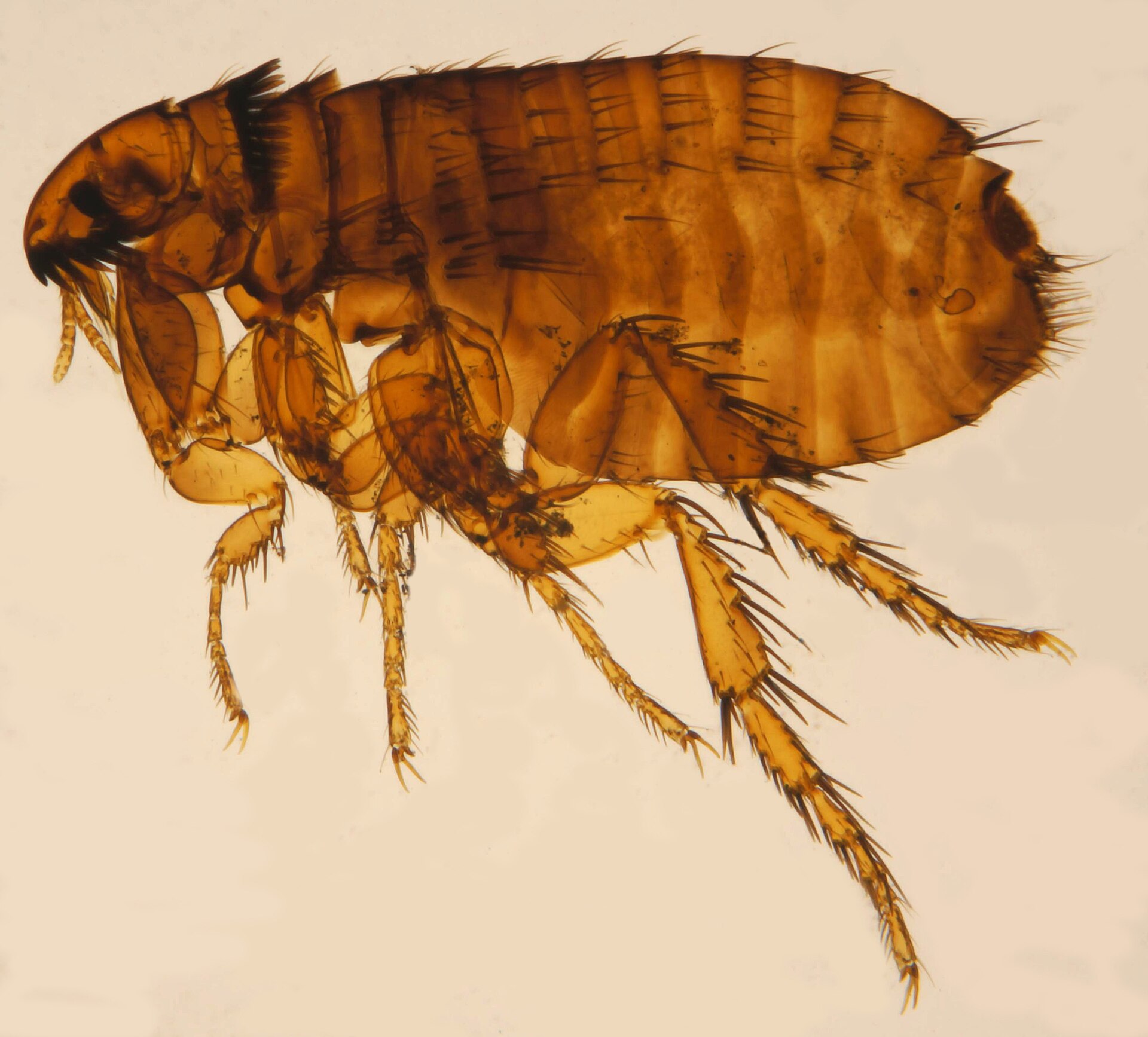
Microscope close-up of a cat flea (Ctenocephalides felis), the flea found on dogs and cats
Shown greatly magnified — a real flea is about 2 mm long.Representative image — always confirm with Dr. Sharine.Katja Neubauer, ZSM / Wikimedia Commons — CC BY-SA 3.0
Message Dr. Sharine
What it is

Fleas breed year-round here. Many pets are also allergic to flea saliva, so a single bite can trigger weeks of intense itching, hair loss, and secondary skin infection.

How to identify

Part the coat at the base of the tail and on the belly. Look for fast-moving dark insects and 'flea dirt' — black specks that turn rusty red on a damp tissue.

Signs to watch for
  • Scratching, biting, or licking, especially near the tail base
  • Hair loss and red, crusted skin along the back
  • Small scabs you can feel under the coat
  • Restlessness at night
  • Pale gums in puppies and kittens with heavy infestation
What to do
  1. 1.Use a vet-recommended flea preventive on every pet in the house, year-round.
  2. 2.Wash bedding hot and vacuum thoroughly — most of the population lives in the environment.
  3. 3.Ask Dr. Sharine about treating the itch and any skin infection alongside the fleas.
  4. 4.Fleas transmit tapeworm, so deworming is usually needed too.
09

Intestinal worms

Book soon
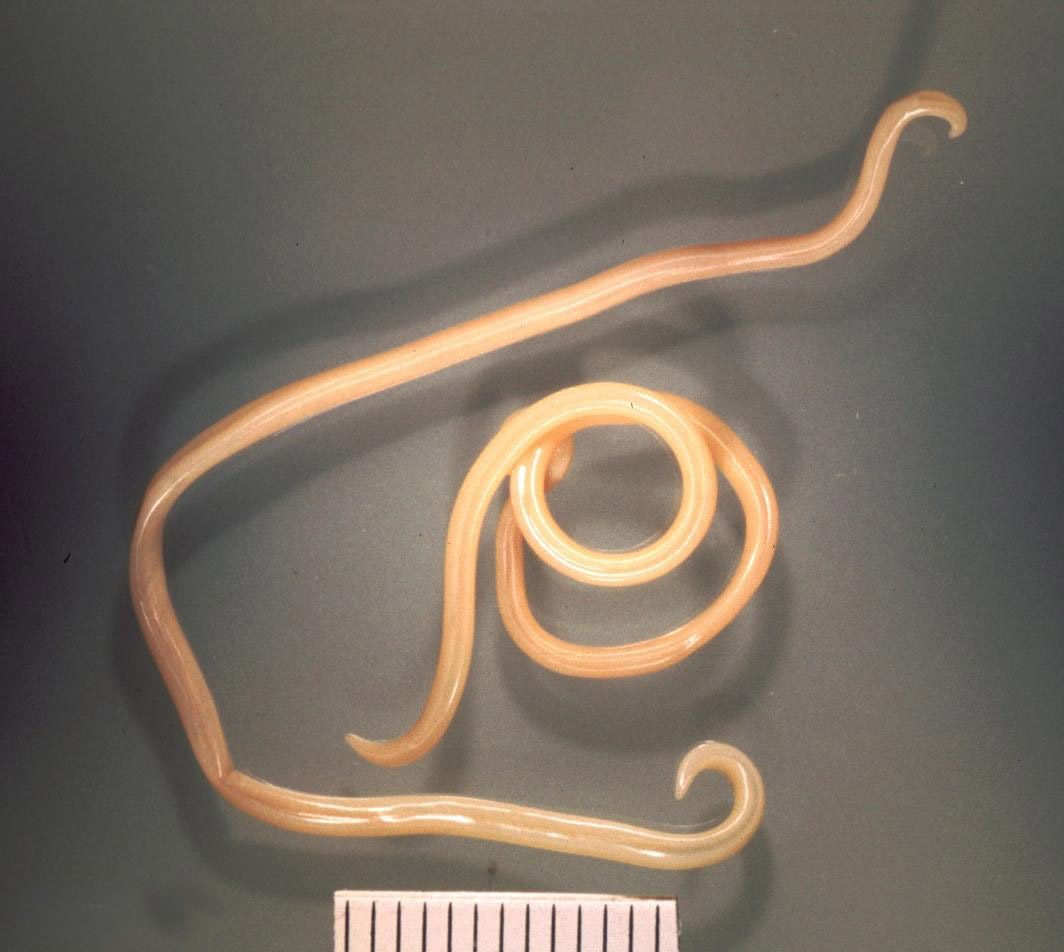
Adult Toxocara canis roundworms next to a millimetre scale
Representative image — always confirm with Dr. Sharine.Alan R Walker / Wikimedia Commons — CC BY-SA 3.0
Message Dr. Sharine
What it is

Roundworms, hookworms, and tapeworms are widespread in tropical soil and are picked up from ground, prey, and fleas. Hookworm in particular can cause dangerous anaemia in young animals. Several of these worms can also infect people.

How to identify

Look at the stool: spaghetti-like roundworms, or small rice-grain tapeworm segments around the anus and bedding. Hookworm is usually invisible and diagnosed by a faecal test.

Signs to watch for
  • Pot-bellied appearance, especially in puppies
  • Dull coat, poor growth, weight loss despite eating
  • Soft stool, diarrhoea, sometimes dark and tarry
  • Scooting or licking under the tail
  • Pale gums and weakness with heavy hookworm burden
What to do
  1. 1.Follow a regular deworming schedule set by your vet — more frequent for puppies and kittens.
  2. 2.Pick up stool promptly and keep flea control tight.
  3. 3.Bring a fresh stool sample to the next visit if you are unsure.
  4. 4.Wash hands after gardening and cleaning up; these parasites are zoonotic.
10

Mange (sarcoptic & demodectic)

Urgent — same day
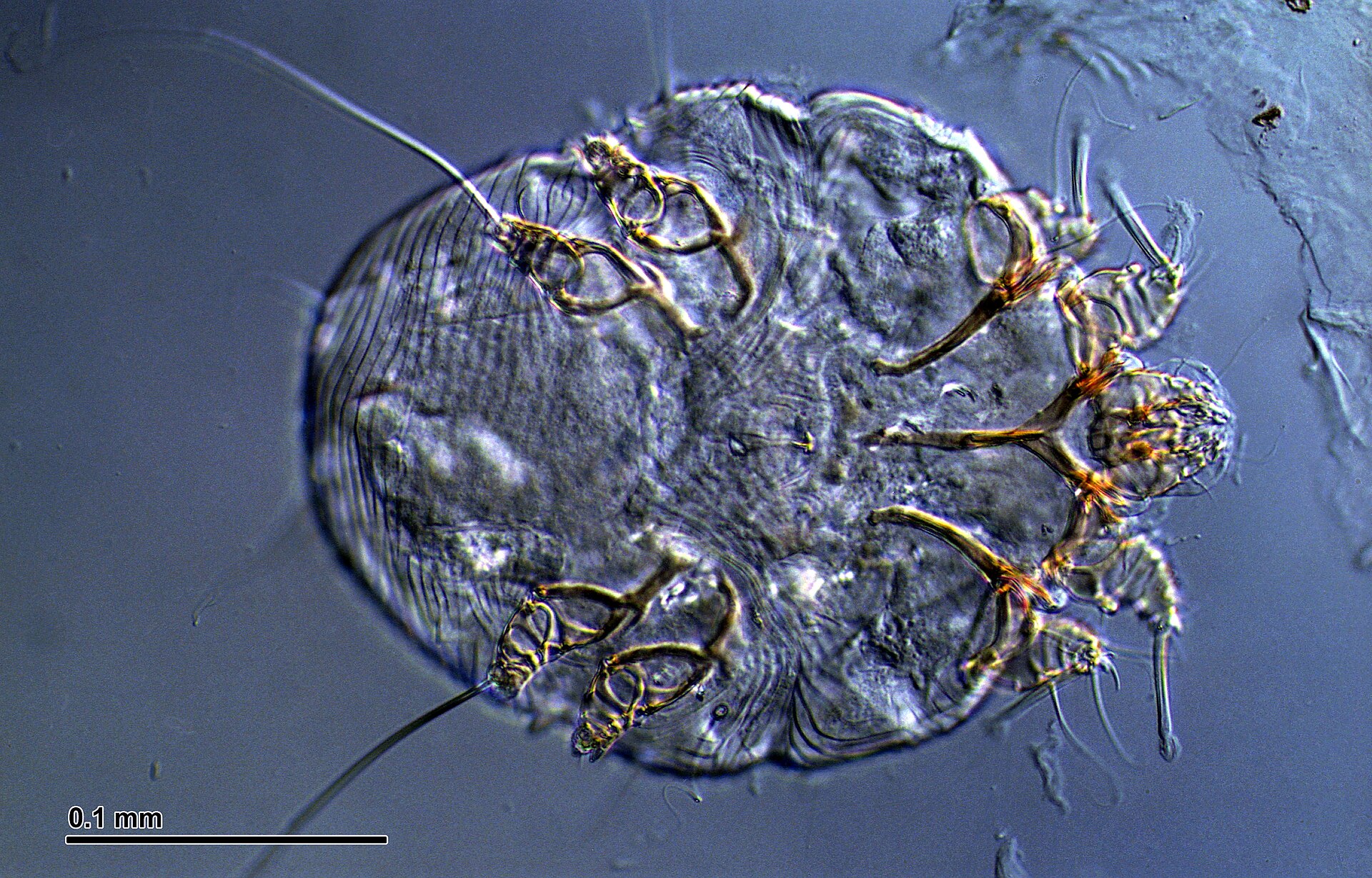
Light-microscope image of a Sarcoptes scabiei mite, the cause of sarcoptic mange
The mite is invisible to the naked eye — diagnosis needs a skin scrape.Representative image — always confirm with Dr. Sharine.Josef Reischig / Wikimedia Commons — CC BY-SA 3.0
Message Dr. Sharine
What it is

Mange is caused by microscopic mites. Sarcoptic mange is intensely itchy, highly contagious between dogs, and can cause a temporary rash in people. Demodectic mange is not contagious and appears when the immune system is young, stressed, or unwell.

How to identify

Sarcoptic: frantic itching with crusting on ear margins, elbows, and belly. Demodectic: patchy hair loss, often around the eyes and muzzle, with little or no itch. Diagnosis is by skin scrape.

Signs to watch for
  • Relentless scratching that does not respond to flea treatment
  • Thickened, crusty, grey-looking skin
  • Bald patches and broken hair
  • Sores from self-trauma and secondary infection
  • Restlessness, weight loss in severe cases
What to do
  1. 1.Book a visit for a skin scrape — the two forms need different treatment.
  2. 2.Isolate from other dogs until sarcoptic mange is excluded.
  3. 3.Do not use over-the-counter dips or home remedies; several are toxic.
  4. 4.Expect treatment over several weeks, with recheck visits to confirm the mites are gone.
11

Ear mites

Otodectes cynotis

Book soon
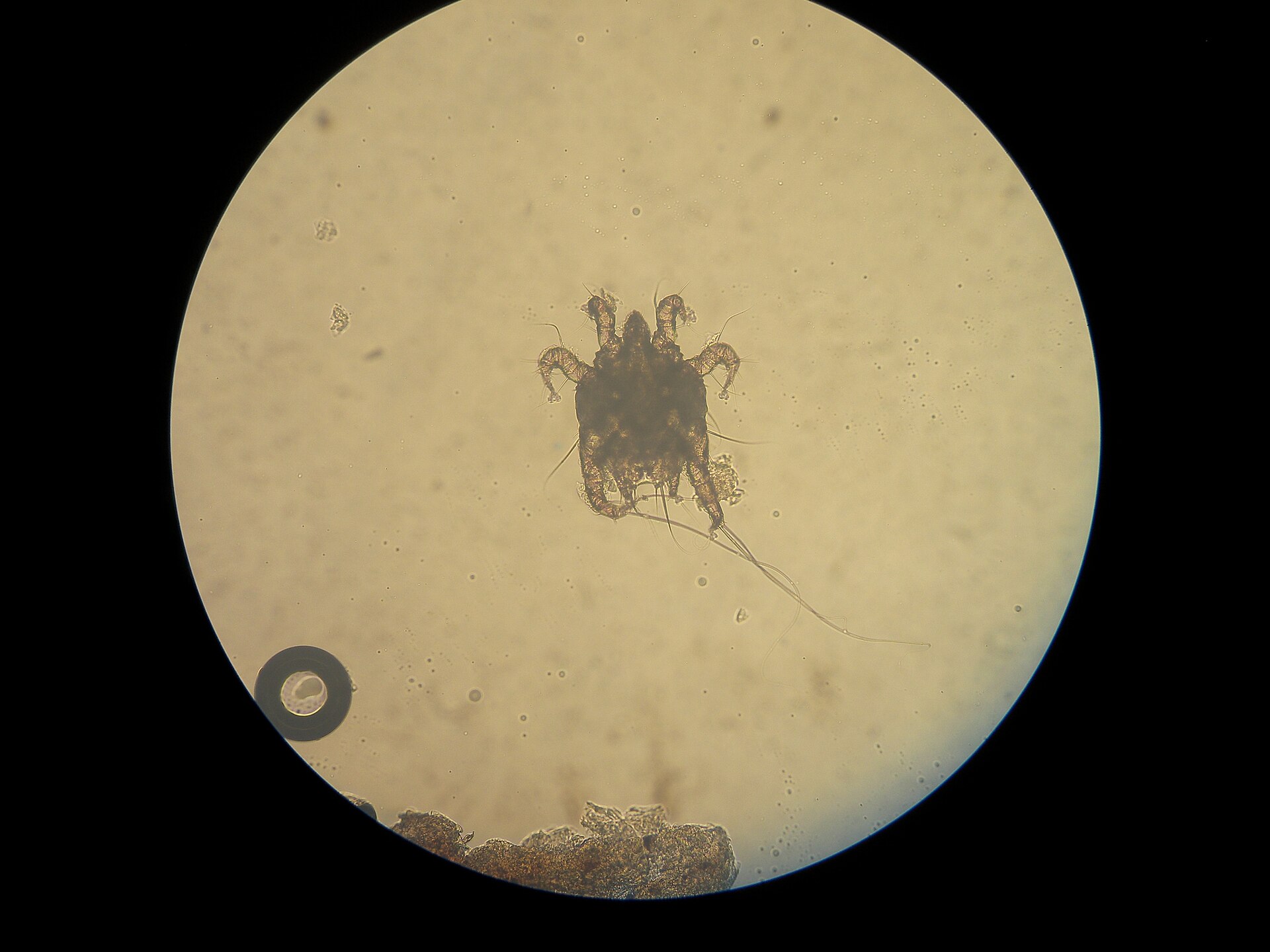
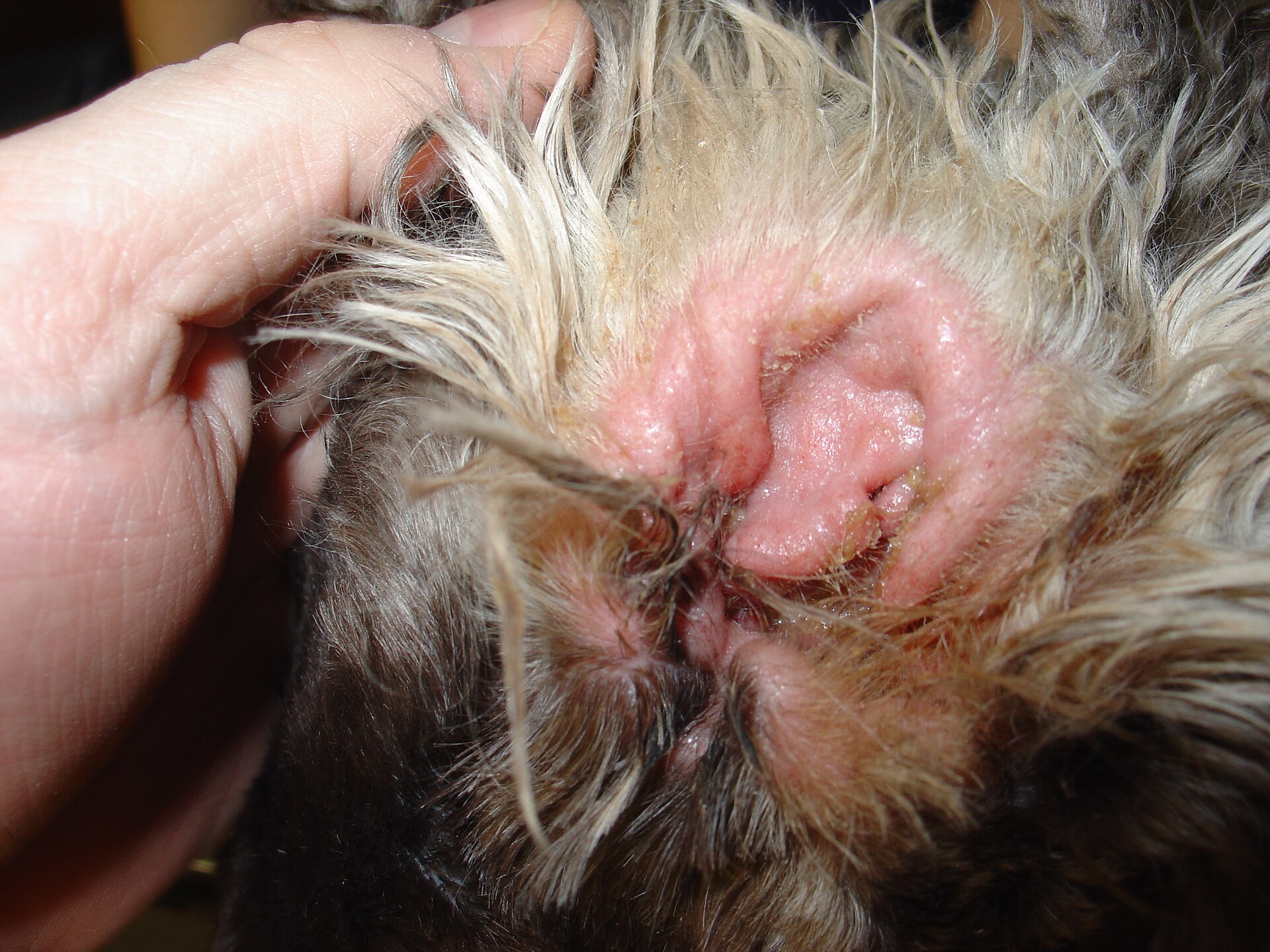
Dark, crumbly coffee-ground debris in the ear canal of a young dog with ear mites
Representative image — always confirm with Dr. Sharine.Fourrure / Wikimedia Commons — CC BY-SA 2.0
Message Dr. Sharine
What it is

Ear mites are tiny parasites that live in the ear canal. They are extremely common — especially in kittens, puppies and young rescues — intensely itchy, and pass easily between animals sharing a home or a bed.

How to identify

Look for dark, dry, crumbly wax deep in the ear that looks like coffee grounds. It is usually in both ears, and often more than one pet in the house is scratching.

Signs to watch for
  • Constant, intense scratching at the ears
  • Repeated head-shaking or head-tilting
  • Dark crumbly debris in the ear canal
  • Sore, scabbed skin around the ear from scratching
  • A swollen ear flap from broken blood vessels
What to do
  1. 1.Do not push cotton buds down into the ear — they pack the debris deeper and can damage the ear drum.
  2. 2.Book an ear examination so the ear can be checked properly and the mites confirmed.
  3. 3.Use a mite-specific treatment prescribed for your pet, not a general ear cleaner.
  4. 4.Treat every dog and cat in the household at the same time, even the ones who seem fine.
  5. 5.Wash bedding while treatment is under way.
12

Tick-borne blood diseases

Book soon
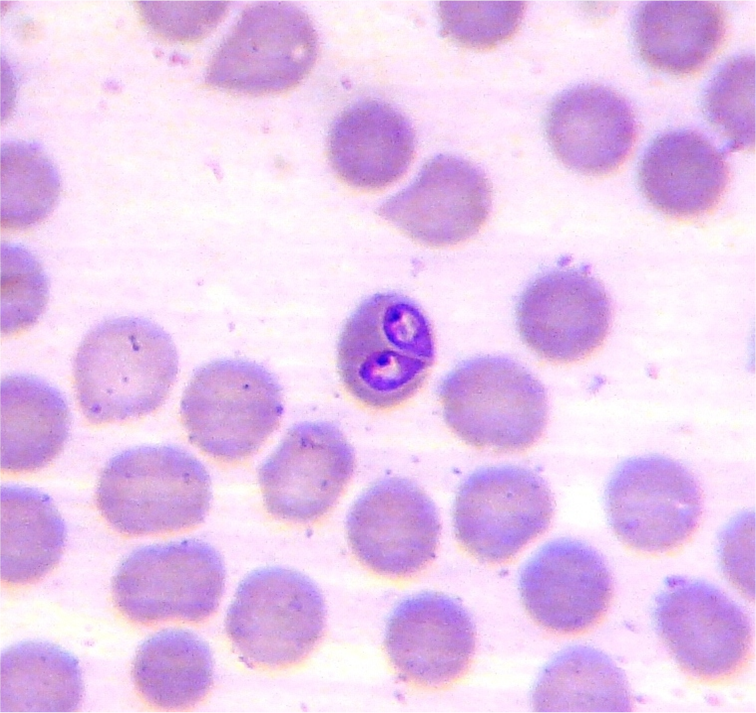
Blood smear showing Babesia parasites inside canine red blood cells
These infections are invisible on the outside — they are found on a blood test.Representative image — always confirm with Dr. Sharine.Filipe Dantas-Torres / Wikimedia Commons — CC BY 3.0 (attribution)
Message Dr. Sharine
What it is

Ticks in Costa Rica carry blood infections — ehrlichiosis, anaplasmosis and babesiosis — that quietly damage blood cells and organs. A dog can look completely normal for weeks while the infection takes hold.

How to identify

There is nothing to see on the outside. Suspect it in any dog that has had ticks and then becomes tired, feverish or off food. Diagnosis is a simple blood test.

Signs to watch for
  • Lethargy and low energy, often weeks after tick exposure
  • Fever, poor appetite, gradual weight loss
  • Pale gums
  • Bruising, nosebleeds or pinpoint red spots on the belly
  • Lameness or stiff, swollen joints
What to do
  1. 1.Use a vet-recommended tick preventive year-round — this is the single best protection.
  2. 2.Check your dog for ticks daily and treat the environment if you find several.
  3. 3.If your pet is unwell after tick exposure, ask Dr. Sharine for a blood test rather than waiting.
  4. 4.Caught early, these infections respond very well to treatment.
  5. 5.Bleeding, very pale gums or collapse is an emergency — go now.

Skin, coat, ears & eyes

Humidity, salt water, and sand make these the most common reasons for a house call on this coast.

13

Hot spots & bacterial skin infection

Urgent — same day
Dog with an inflamed, moist patch of skin dermatitis on the body
Representative image — always confirm with Dr. Sharine.Wikimedia Commons — CC BY-SA 3.0
Message Dr. Sharine
What it is

A hot spot is a rapidly spreading, moist, infected patch of skin created by licking and scratching. In this climate one can go from a small damp spot to a palm-sized wound in a single day.

How to identify

A red, wet, painful area with matted hair around it, often warm to the touch and smelling faintly sour. Common on the cheek, neck, hip, and tail base.

Signs to watch for
  • Sudden obsessive licking or chewing of one area
  • Red, oozing, hairless patch that grows quickly
  • Pain or growling when the area is touched
  • Odour and yellowish crusting
  • Underlying trigger: fleas, allergy, or a damp coat
What to do
  1. 1.Stop the licking — a soft collar helps until you are seen.
  2. 2.Trim surrounding hair if your pet allows, and keep the area clean and dry.
  3. 3.Do not apply human creams; many cause more irritation.
  4. 4.Book a same-day or next-day visit — most hot spots need medicated treatment.
  5. 5.Address the cause, usually fleas or allergy, or it will return.
14

Ear infections

Urgent — same day
Inflamed, reddened ear canal of a cocker spaniel with otitis externa
Representative image — always confirm with Dr. Sharine.Joel Mills / Wikimedia Commons — CC BY-SA 3.0
Message Dr. Sharine
What it is

Warm, humid air, beach swimming, and floppy ears combine to make ear infections very common here. Left alone they become painful and can damage the ear canal permanently.

How to identify

Lift the ear flap: look for redness, brown or yellow discharge, and a sweet or yeasty smell. A head tilt or pain on touch suggests the infection is deeper.

Signs to watch for
  • Head shaking and scratching at the ear
  • Brown, black, or yellow discharge
  • Strong odour from the ear
  • Redness, swelling, warmth
  • Head tilt, loss of balance, or crying — see urgently
What to do
  1. 1.Do not use cotton buds inside the canal.
  2. 2.Avoid home mixtures; if the eardrum is damaged some cleaners cause harm.
  3. 3.Dry the ears gently after swimming.
  4. 4.Book a visit — the right treatment depends on whether it is yeast, bacteria, or mites, which needs examination.
15

Ringworm & fungal skin disease

Book soon
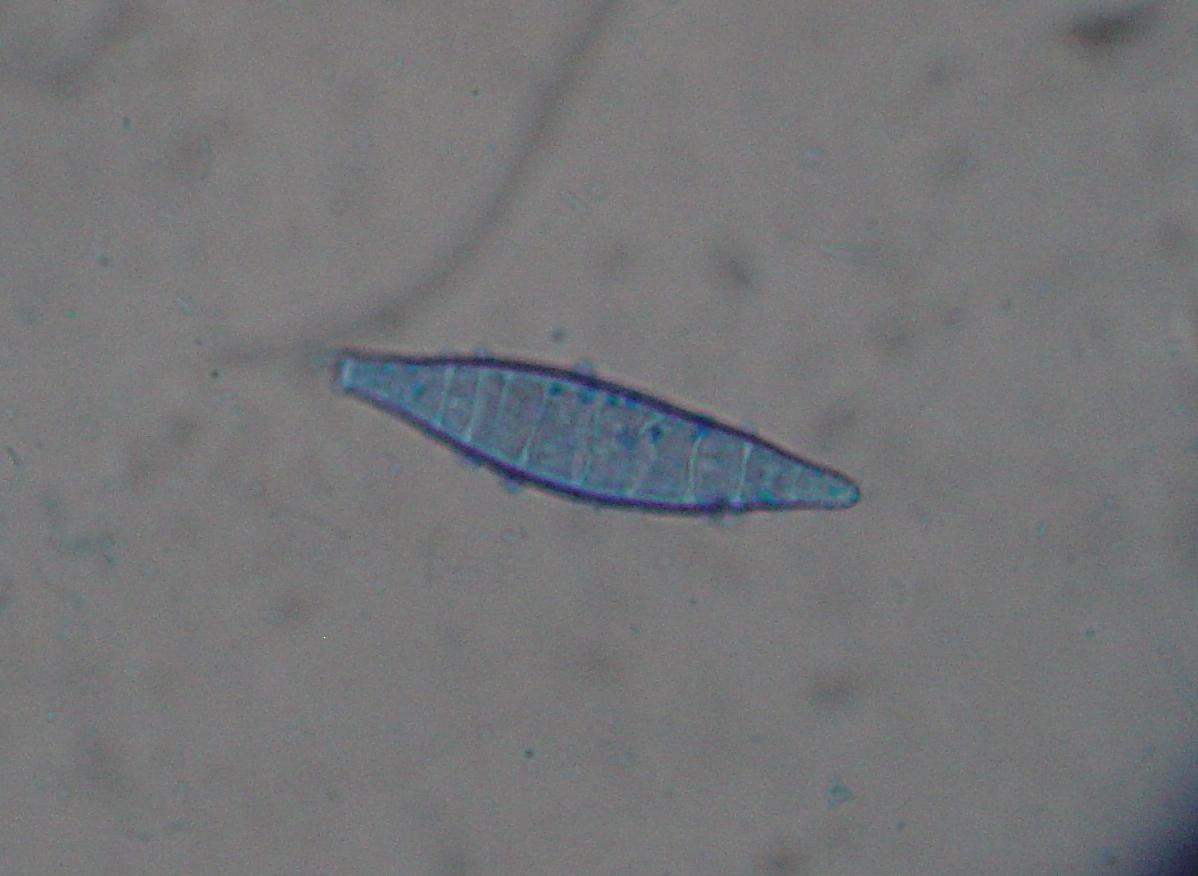
Circular area of hair loss caused by Microsporum canis (ringworm)
Representative image — always confirm with Dr. Sharine.Joel Mills / Wikimedia Commons — CC BY-SA 3.0
Message Dr. Sharine
What it is

Ringworm is a fungus, not a worm, and thrives in humidity. It spreads easily between cats, dogs, and people, so early treatment protects the whole household.

How to identify

Circular or irregular patches of hair loss with flaky, grey-crusted skin, often on the face, ears, and paws. Usually only mildly itchy. Confirmed by fungal culture or microscopy.

Signs to watch for
  • Round bald patches with scaly edges
  • Broken, stubbly hair
  • Crusting on ear tips and nose
  • Brittle, deformed claws in cats
  • Ring-shaped itchy patches appearing on family members
What to do
  1. 1.Keep the affected pet off soft furnishings and wash hands after contact.
  2. 2.Do not start treatment blind — confirm the diagnosis first.
  3. 3.Expect several weeks of topical and sometimes oral treatment.
  4. 4.Vacuum and clean thoroughly; spores persist in the home.
  5. 5.Ask Dr. Sharine to check the other animals in the house.
16

Allergies & itching

Book soon
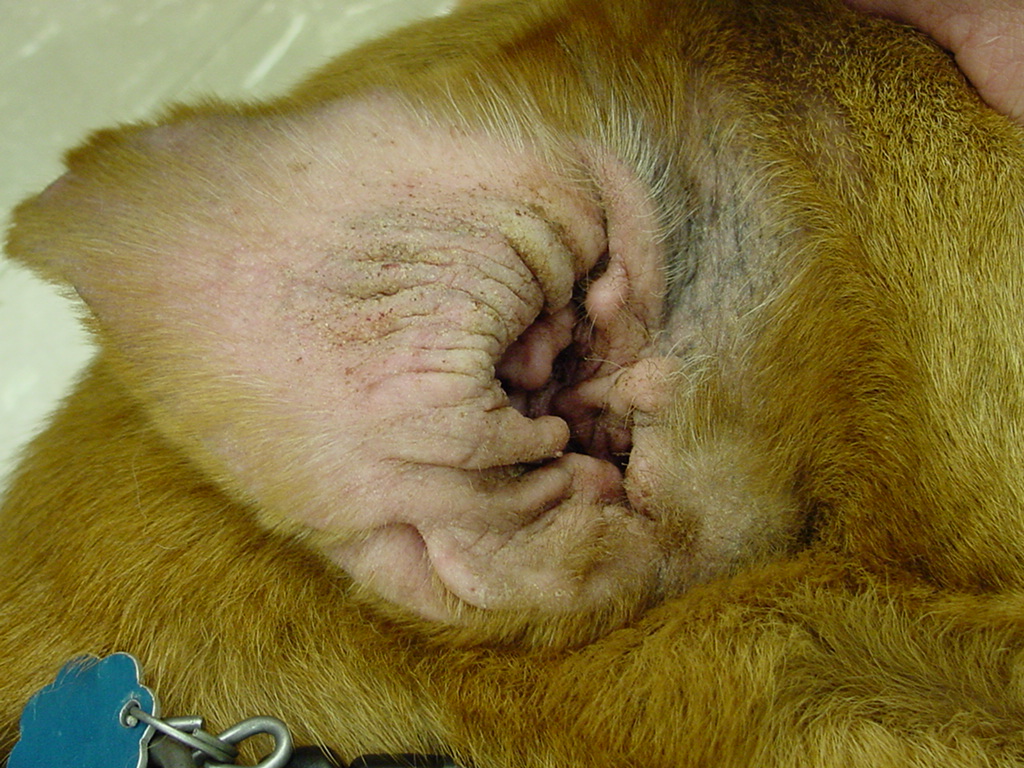
Red, thickened ear and skin of a dog with chronic allergic inflammation
Representative image — always confirm with Dr. Sharine.Wikimedia Commons — CC BY-SA 3.0
Message Dr. Sharine
What it is

Environmental allergens, fleas and sometimes food can all make an animal itch. Allergies are very common in the tropics, where pollens, moulds and fleas are present all year rather than for one season.

How to identify

Look for itching that keeps coming back: licking or chewing the paws, red skin in the armpits and groin, and ear infections that clear up and then return.

Signs to watch for
  • Persistent scratching, rubbing or rolling
  • Licking and chewing the paws until they stain red-brown
  • Red, warm skin on the belly, armpits and groin
  • Recurring ear infections
  • Hair loss, thickened or darkened skin from constant irritation
What to do
  1. 1.Keep flea control absolutely consistent — flea allergy is the most common trigger and the easiest to remove.
  2. 2.Note when flares happen: after the beach, after rain, after a food change. Patterns point to the trigger.
  3. 3.Bathe with a gentle vet-recommended shampoo and rinse thoroughly after sea or pool swims.
  4. 4.Ask Dr. Sharine to identify the trigger and settle the flare — long-term comfort is very achievable.
  5. 5.Do not use human antihistamines or steroid creams without advice.
17

Eye problems

Urgent — same day
Dog showing a red swollen third-eyelid gland (cherry eye)
Representative image — always confirm with Dr. Sharine.Tcr25 / Wikimedia Commons — CC BY-SA 4.0
Message Dr. Sharine
What it is

Eyes deteriorate quickly. Sand, salt, grass seeds, scratches from play, and infection can all progress to a corneal ulcer within a day or two. Any eye that is closed, cloudy, or painful should be seen promptly.

How to identify

Compare the two eyes in good light. Look for squinting, cloudiness, redness of the white, discharge, or a visible dent or film on the surface.

Signs to watch for
  • Squinting or holding the eye closed
  • Green, yellow, or heavy clear discharge
  • Cloudy, blue, or hazy surface
  • Rubbing the face on furniture or with a paw
  • A red, swollen, or bulging eye — see immediately
What to do
  1. 1.Prevent rubbing; a soft collar helps.
  2. 2.You may flush gently with sterile saline only.
  3. 3.Never use leftover eye drops — steroid drops can destroy an ulcerated cornea.
  4. 4.Book a same-day visit for any painful or cloudy eye.
  5. 5.Sudden bulging, bleeding, or blindness is an emergency.
18

Lumps & skin growths

Book soon
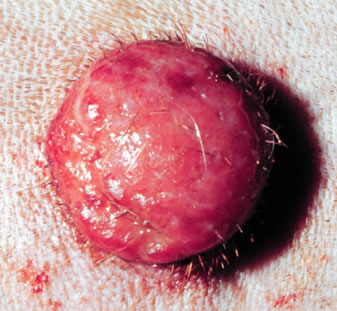
Raised pink skin lump (canine histiocytoma) on a dog
Representative image — always confirm with Dr. Sharine.Joel Mills / Wikimedia Commons — CC BY-SA 3.0
Message Dr. Sharine
What it is

Many lumps are harmless — fatty lumps, cysts, insect-bite swellings — but some are not, and they can look identical from the outside. A quick needle sample usually gives an answer the same day.

How to identify

Any lump that is new, or one you already know about that changes size, shape, firmness or colour, bleeds, or seems to bother your pet.

Signs to watch for
  • A new lump anywhere on the body
  • A lump growing noticeably over weeks
  • A firm lump attached to the tissue underneath
  • An ulcerated, bleeding or weeping surface
  • Licking or chewing at the spot, or pain when touched
What to do
  1. 1.Do not wait and see with a changing lump — early answers keep options simple.
  2. 2.Note the date, size and location; a photo next to a coin makes changes easy to track.
  3. 3.Ask Dr. Sharine to examine it; most lumps can be sampled calmly at home.
  4. 4.A fast-growing, bleeding or ulcerated lump should be seen sooner rather than later.

Dental & internal health

The problems that develop quietly inside — and the moments when a stomach upset is something more.

19

Dental disease

Book soon
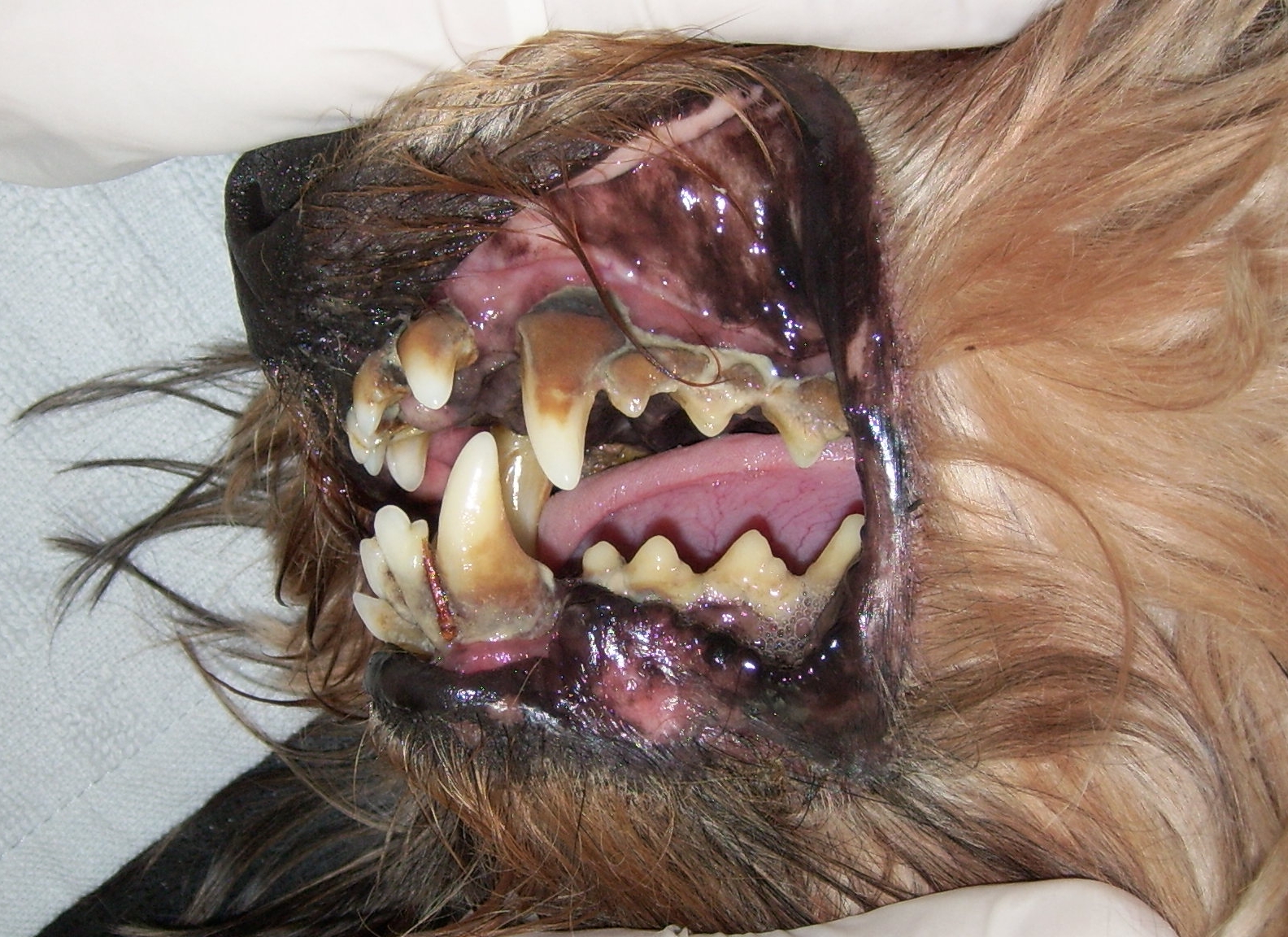
Heavy brown dental calculus (tartar) on a dog's teeth and gum line
Representative image — always confirm with Dr. Sharine.Uwe Gille / Wikimedia Commons — CC BY-SA 3.0
Message Dr. Sharine
What it is

By middle age most dogs and cats have some degree of periodontal disease. Beyond bad breath, it is a source of constant pain and sends bacteria into the bloodstream, affecting the heart, liver, and kidneys.

How to identify

Lift the lip: healthy gums are pink and smooth. Look for a yellow-brown crust at the gum line, red or receding gums, and any loose or broken teeth.

Signs to watch for
  • Persistent bad breath
  • Yellow-brown tartar and red gum margins
  • Chewing on one side, dropping food
  • Drooling, sometimes blood-tinged
  • Pawing at the mouth, facial swelling, withdrawal
What to do
  1. 1.Book a dental examination — pets rarely show mouth pain openly.
  2. 2.Daily brushing with pet toothpaste is the single best home measure.
  3. 3.Avoid bones, antlers, and hard toys that fracture teeth.
  4. 4.Professional cleaning under anaesthesia is the only way to treat established disease.
20

Digestive upset — minor vs emergency

Urgent — same day
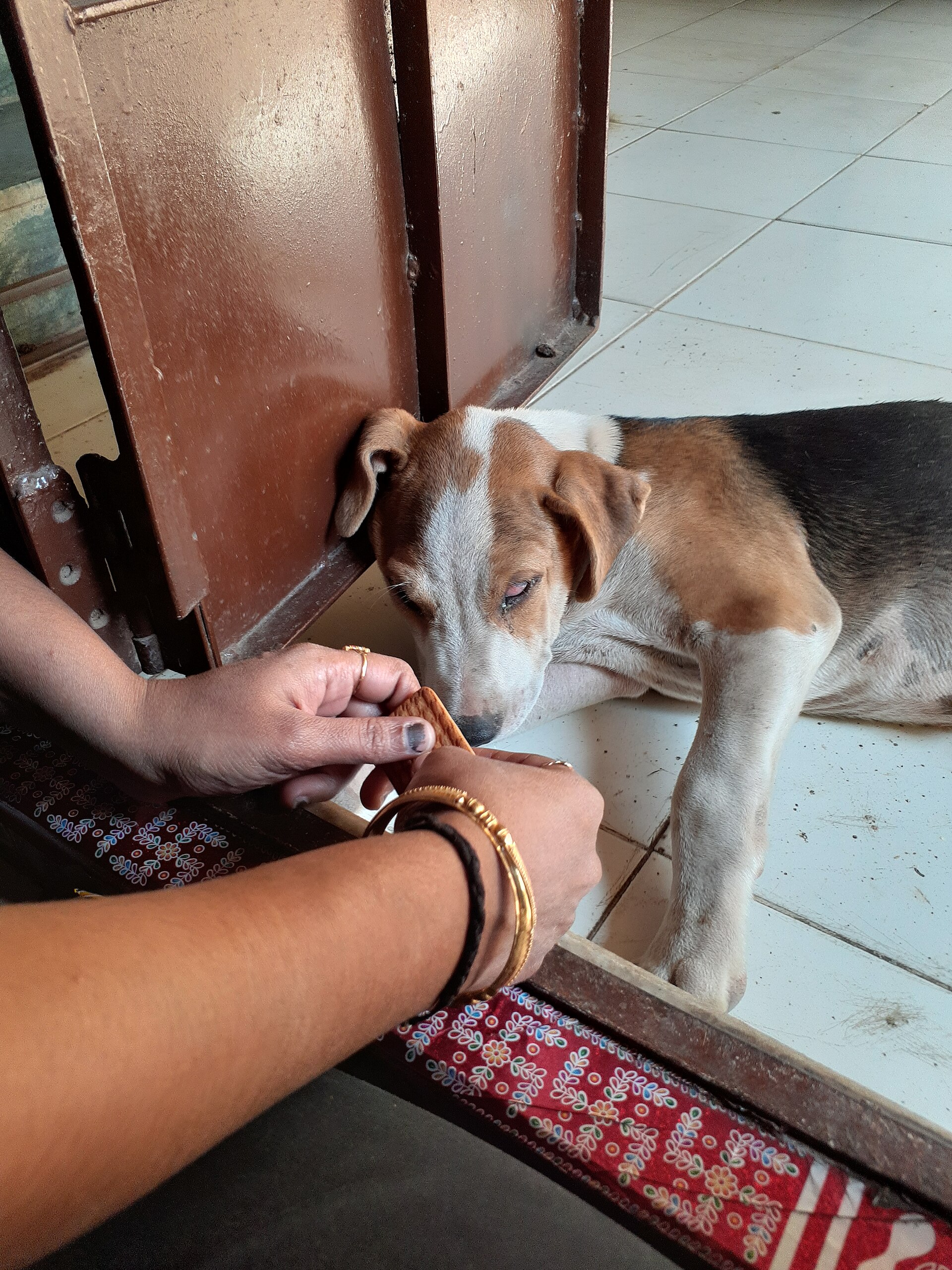
Lethargic dog lying down, a common sign of digestive upset
Representative image — always confirm with Dr. Sharine.Dipakpoojary / Wikimedia Commons — CC BY-SA 4.0
Message Dr. Sharine
What it is

One episode of vomiting or soft stool in a bright, drinking, otherwise happy pet is usually minor. But some patterns signal obstruction, poisoning, or bloat, which are life-threatening within hours.

How to identify

Judge the whole animal, not just the stool. A pet who still greets you, drinks, and rests comfortably is different from one who is flat, painful, or repeatedly retching without producing anything.

Signs to watch for
  • MINOR: one or two episodes, still bright, drinking, no pain
  • URGENT: vomiting more than twice in a day, or lasting over 24 hours
  • URGENT: blood in vomit or stool, or black tarry stool
  • EMERGENCY: bloated, hard, painful belly
  • EMERGENCY: repeated unproductive retching, restlessness, pale gums, collapse
  • EMERGENCY: known swallowing of a toy, bone, corn cob, or cloth
What to do
  1. 1.For a mild case: withhold food for a few hours, offer small amounts of water, then a bland meal in small portions.
  2. 2.Never give human anti-nausea or pain medication.
  3. 3.Contact Dr. Sharine if there is blood, repeated vomiting, or no improvement in a day.
  4. 4.A bloated hard abdomen with retching is an emergency — go now, do not wait.
21

Bloat / GDV

Emergency — go now
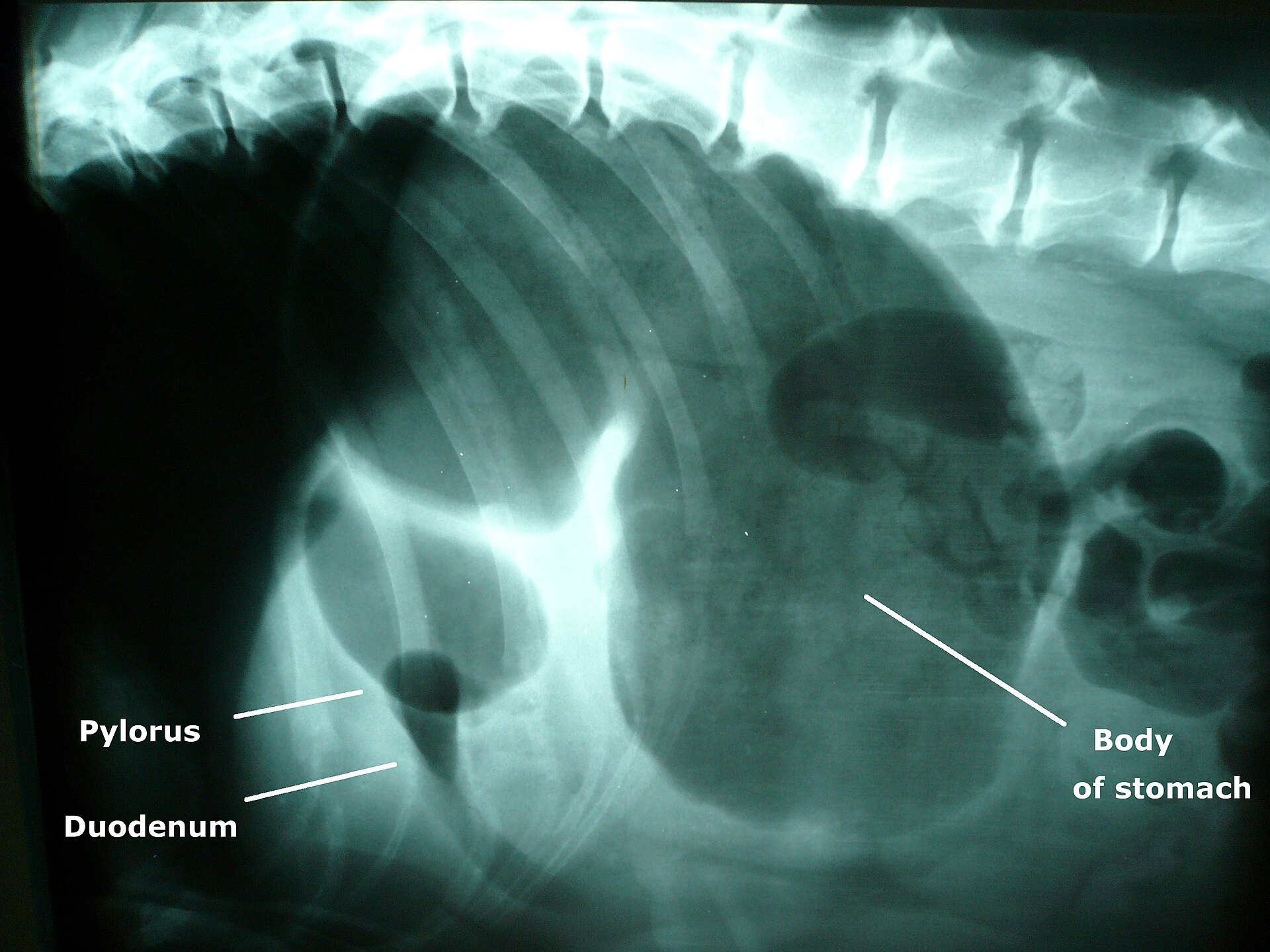
Radiograph of a dog with gastric dilatation-volvulus showing a hugely gas-filled stomach
Minutes matter — this is a surgical emergency.Representative image — always confirm with Dr. Sharine.Joel Mills / Wikimedia Commons — CC BY-SA 3.0
Message Dr. Sharine
What it is

In bloat the stomach fills with gas and can twist on itself, cutting off its own blood supply. It is one of the few true 'minutes matter' emergencies in veterinary medicine, and it happens most often in deep-chested dogs.

How to identify

A swollen, hard, drum-like belly with repeated retching that brings nothing up, in a dog who cannot settle.

Signs to watch for
  • A visibly distended, hard, painful abdomen
  • Trying to vomit with nothing coming up
  • Restlessness, pacing, unable to lie down
  • Heavy drooling
  • Rapid, shallow breathing; pale gums; collapse
What to do
  1. 1.Go to a vet NOW. Do not wait, do not watch overnight, do not offer food or water.
  2. 2.Call or message Dr. Sharine while you are on the way so help can be arranged immediately.
  3. 3.Keep your dog as calm and still as possible during transport.
  4. 4.Prevention helps: feed smaller meals, avoid hard exercise right after eating, and ask about a preventive gastropexy for high-risk breeds.
22

Urinary problems

Urgent — same day
Cat using a litter box — the place where straining or blood is usually first noticed
Representative image — always confirm with Dr. Sharine.Ocdp / Wikimedia Commons — CC BY-SA 3.0
Message Dr. Sharine
What it is

Straining to urinate, going very often, or blood in the urine can mean infection, crystals or stones. In cats — especially male cats — a blocked bladder is life-threatening within hours and must never be left overnight.

How to identify

Watch the litter box or the garden: repeated trips, long straining with little or nothing coming out, or pink-tinged urine.

Signs to watch for
  • Straining or crying while trying to urinate
  • Frequent attempts producing only small amounts
  • Blood or pink colour in the urine
  • Licking at the genitals repeatedly
  • Lethargy, vomiting, hiding — and in a cat, no urine at all: EMERGENCY
What to do
  1. 1.Never ignore straining, particularly in a male cat — a blockage can be fatal within a day.
  2. 2.A cat producing no urine needs care immediately, day or night.
  3. 3.For dogs, arrange a same-day check; a urine sample makes diagnosis much faster.
  4. 4.Keep fresh water available everywhere and encourage drinking, especially in the heat.
  5. 5.Do not give human painkillers — many are toxic to cats and dogs.

Climate & life-stage care

Living well in the tropics, from the first weeks of life to the gentle later years — and everything in between.

23

Puppy & kitten basics

Book soon
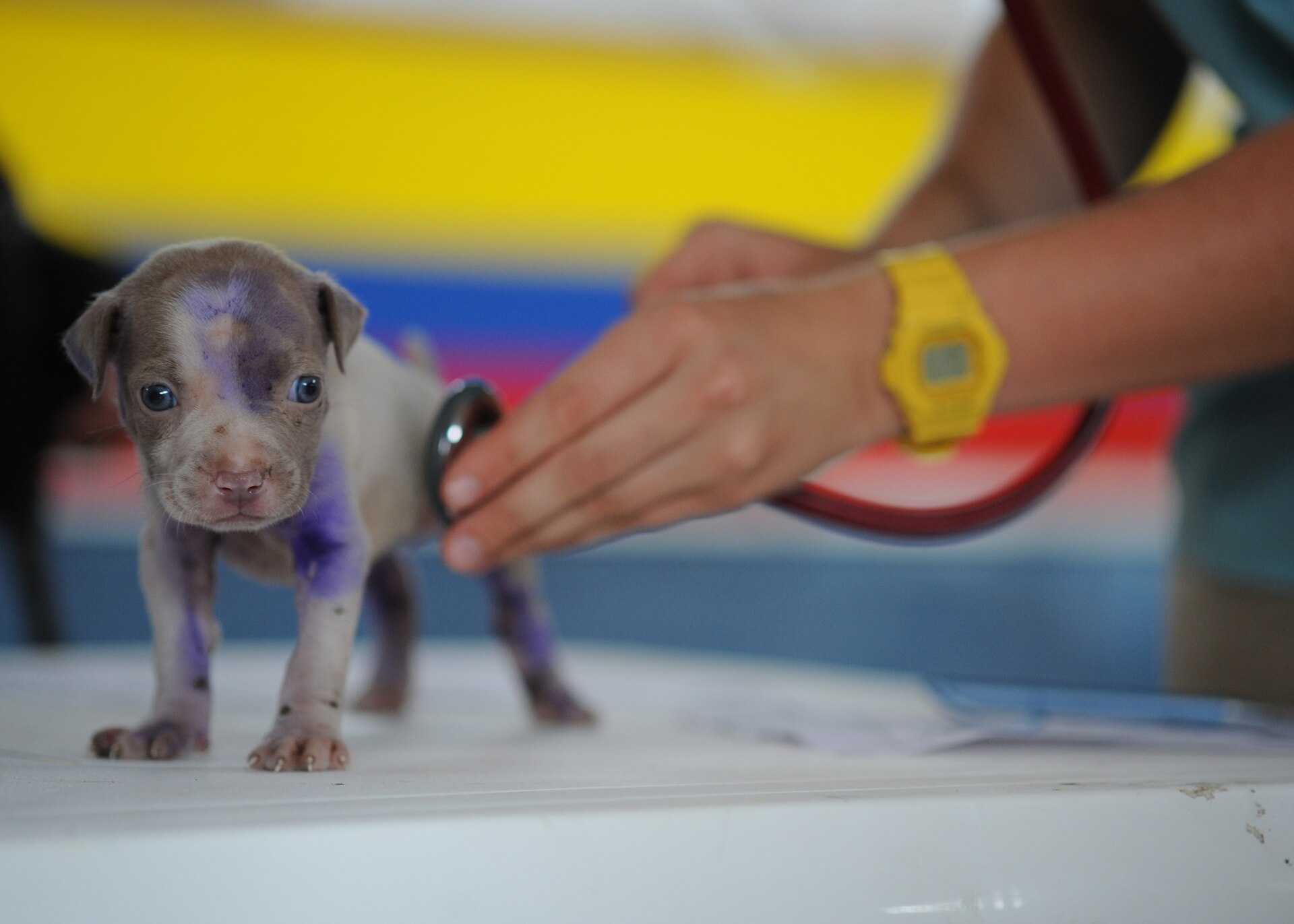
Veterinarian examining a puppy at a mobile clinic
Representative image — always confirm with Dr. Sharine.U.S. Navy / Wikimedia Commons — public domain
Message Dr. Sharine
What it is

The first six months shape a lifetime. In the tropics that means an early, consistent plan for vaccination, deworming, parasite prevention, nutrition, and gentle socialisation — all of which can be done calmly at home.

How to identify

A thriving youngster is round but not pot-bellied, gaining weight weekly, playful in bursts, with clear eyes, clean ears, and a soft glossy coat.

Signs to watch for
  • WATCH: not eating, or lethargy lasting more than a few hours
  • WATCH: diarrhoea or vomiting in a very young animal — dehydration is fast
  • WATCH: pale gums, weakness, cold to the touch
  • WATCH: coughing, nasal discharge, or a swollen belly
  • Normal: short bursts of energy followed by deep sleep
What to do
  1. 1.Start the vaccination series on time and complete it; parvovirus is present in this region.
  2. 2.Deworm on schedule and begin parasite prevention as advised.
  3. 3.Keep them off public ground until the course is finished.
  4. 4.Socialise gently and safely at home during the first weeks.
  5. 5.Discuss spay/neuter timing with Dr. Sharine at the second visit.
24

Senior pet care

Book soon
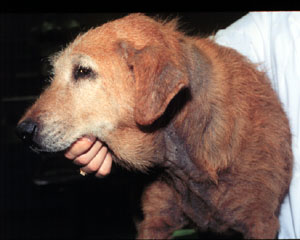
Senior Labrador with a grey muzzle resting outdoors
Representative image — always confirm with Dr. Sharine.Marek Ślusarczyk / Wikimedia Commons — CC BY 3.0
Message Dr. Sharine
What it is

Older animals rarely complain. Arthritis, kidney and thyroid disease, dental pain, and cognitive change all develop slowly, and are often mistaken for 'just getting old'. Twice-yearly exams with blood work catch most of it early, and home visits spare a stiff, anxious animal the journey.

How to identify

Watch for changes in routine rather than dramatic symptoms: slower to rise, sleeping in a new place, drinking more, or hesitating at stairs.

Signs to watch for
  • Stiffness after rest, difficulty with stairs or jumping
  • Drinking and urinating noticeably more
  • Weight loss despite a good appetite
  • Bad breath and reluctance to chew
  • Cloudy eyes, reduced hearing, night-time restlessness or confusion
  • New lumps, or lumps that change
What to do
  1. 1.Book a senior wellness exam twice a year, with blood and urine screening.
  2. 2.Provide soft bedding, rugs on slick floors, and shorter, cooler walks.
  3. 3.Keep weight down — it is the kindest thing for arthritic joints.
  4. 4.Never give human anti-inflammatories; safe pain relief exists and makes an enormous difference.
  5. 5.Ask Dr. Sharine about quality-of-life planning; these conversations are always unhurried.
25

Nutrition & weight

Book soon
A healthy beagle at an ideal weight drinking from a bowl on a patio
Representative image — always confirm with Dr. Sharine.Slyronit / Wikimedia Commons — CC BY-SA 4.0
Message Dr. Sharine
What it is

Good nutrition and a healthy weight are the foundation of a long, comfortable life. Obesity is one of the most common problems we see, and it quietly shortens lifespan while making joints, breathing and heat tolerance worse.

How to identify

Run your hands over the ribs: you should feel them easily with a light touch, and from above you should see a clear waist behind the ribcage.

Signs to watch for
  • Ribs hard to feel, no waist from above
  • Steady weight gain over months
  • Low energy, reluctance to walk or play
  • Difficulty grooming, jumping or getting up
  • Panting sooner and more heavily in the heat
What to do
  1. 1.Feed a complete, balanced diet in measured portions — use a cup or scale, not an estimate.
  2. 2.Count treats as part of the daily total; keep them under about one tenth of it.
  3. 3.Keep pets active with cool morning and evening walks or play.
  4. 4.Ask Dr. Sharine for a target weight and a realistic plan to reach it.
  5. 5.Any sudden weight loss or gain deserves a check rather than a diet.
26

Spay & neuter

Book soon
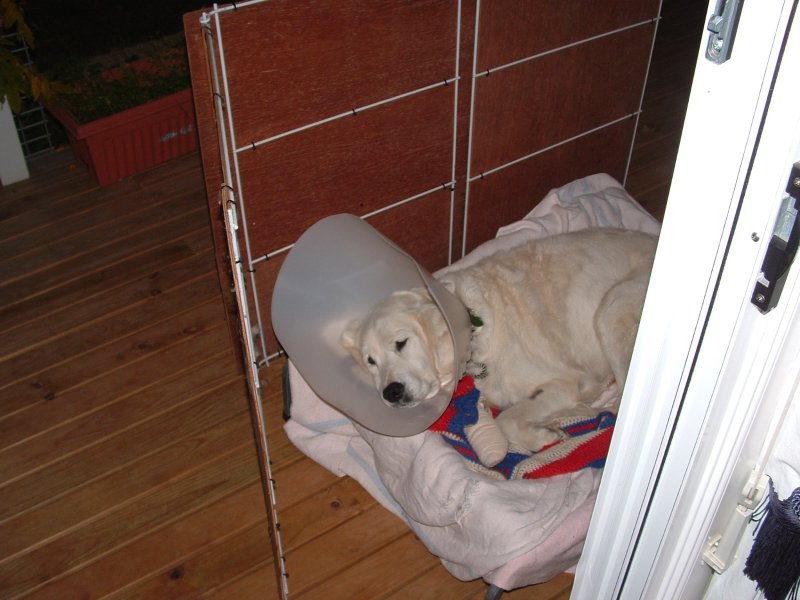
Golden retriever resting comfortably in a recovery collar after surgery
Representative image — always confirm with Dr. Sharine.Ta bu shi da yu / Wikimedia Commons — CC BY-SA 3.0
Message Dr. Sharine
What it is

Spaying and neutering prevents unwanted litters and reduces several real health risks — certain cancers, life-threatening womb infections such as pyometra, and the roaming that leads to fights, ticks and road accidents.

How to identify

The right timing varies with species, breed, size and lifestyle, so it is worth a short conversation rather than a fixed rule.

Signs to watch for
  • Benefit: no unwanted litters
  • Benefit: lower risk of mammary and testicular cancers and of pyometra
  • Benefit: less roaming, marking, fighting and stress
  • Benefit: a calmer, more settled home for multi-pet households
What to do
  1. 1.Talk to Dr. Sharine about the best age for your particular animal.
  2. 2.Plan the procedure rather than rushing it — pre-anaesthetic checks make the day much safer.
  3. 3.Expect a quiet, restricted week afterwards with a recovery collar to protect the incision.
  4. 4.Call if the incision looks red, swollen or open, or if your pet is unusually flat.
27

Pet travel & export health

Book soon
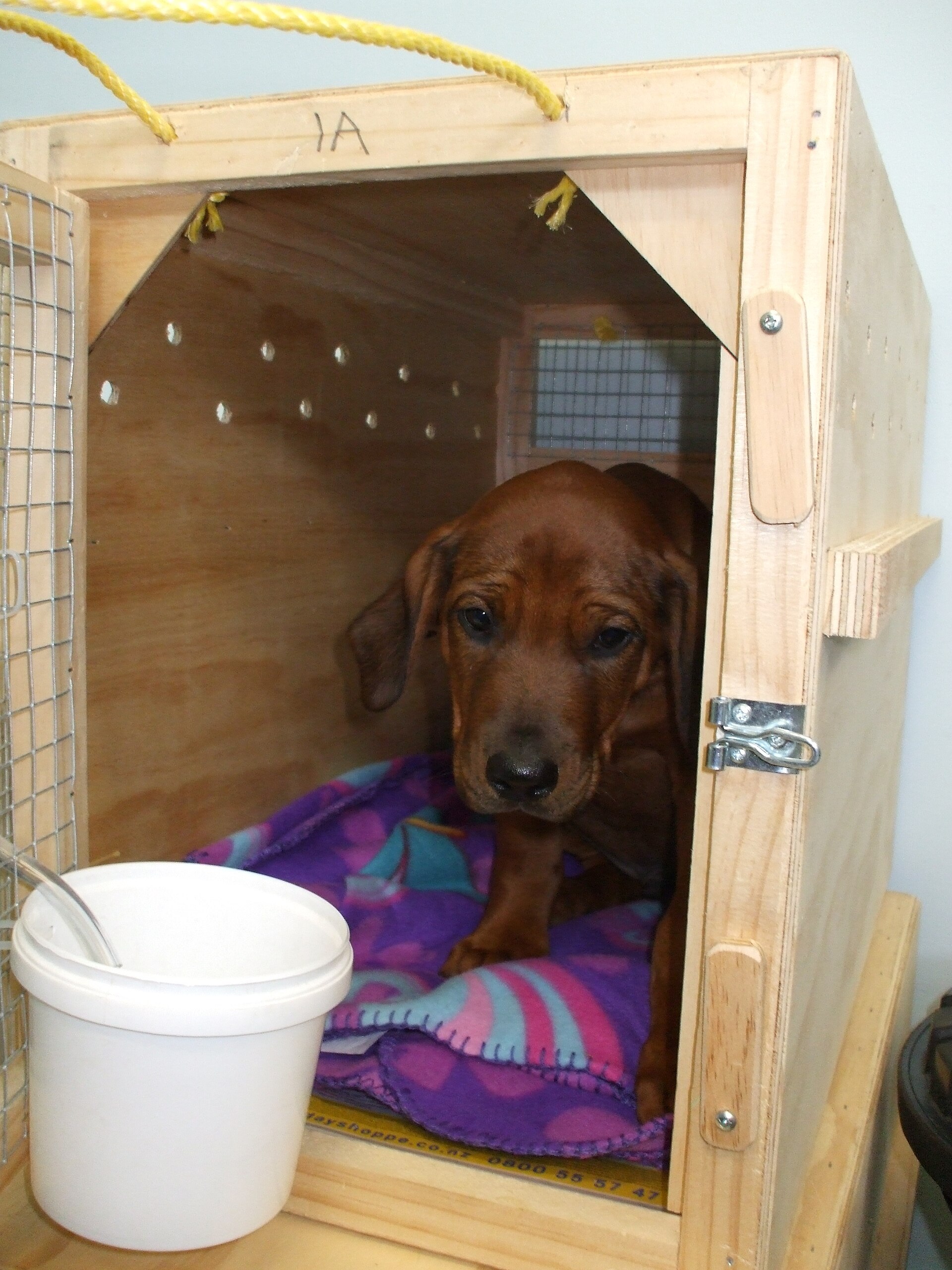
Labrador puppy sitting calmly in an airline-approved travel crate
Representative image — always confirm with Dr. Sharine.Chachacha369 / Wikimedia Commons — CC BY-SA 3.0
Message Dr. Sharine

See the Pet Export section →

What it is

Taking a pet abroad means health certificates, current vaccinations, screwworm declarations, and government endorsement — all within strict time windows. Done in the right order it is smooth; done late it is stressful and can cost you the flight.

How to identify

Plan backwards from your flight date. Some steps must happen within days of departure, others months ahead, and the requirements differ by destination country and airline.

Signs to watch for
  • Start planning as soon as the move is likely, not when the ticket is booked
  • Rabies and core vaccinations must be current and correctly recorded
  • Microchip details must match every document exactly
  • Screwworm declaration is required from Costa Rica
  • Airline crate rules and booking limits matter as much as the paperwork
What to do
  1. 1.Contact Dr. Sharine early — she handles the certificate process end to end, including USDA endorsement.
  2. 2.Keep vaccinations up to date so no step has to wait on a booster.
  3. 3.Confirm the destination country's rules and your airline's crate requirements before booking.
  4. 4.Acclimatise your pet to the travel crate weeks in advance so the flight feels familiar.
  5. 5.See the Pet Export service for the full timeline.
In closing

When in doubt, message Dr. Sharine.

Nobody knows your animal the way you do. If something feels different — quieter, slower, a new lump, a wound that won't close — that instinct is worth acting on. It is never a bother to ask, and an early conversation very often prevents an emergency.

Message Dr. Sharine